




Body Recomposition: Why Losing Weight Shouldn’t Be Your Goal
Build muscle. Lose fat. Transform your body not just the number on the scales.
Walk into any gym in January and you’ll hear the same thing:
“I need to lose weight.”
It’s been the default fitness goal for decades. But here’s the problem.
Weight tells you almost nothing about your health or your physique.
Two people can weigh exactly the same yet look completely different. One may have low body fat, good muscle mass and excellent metabolic health. The other may carry significantly more body fat, have less muscle and be at greater risk of long-term health issues.
The difference isn’t body weight.
It’s body composition.
That’s why one of the biggest trends in fitness today isn’t weight loss.
It’s body recomposition the science of reducing body fat while building or preserving lean muscle.
For most people, that’s exactly what they should be aiming for.
Why muscle matters
From around the age of 30 we naturally begin losing muscle mass unless we actively work to maintain it.
Less muscle doesn’t just mean reduced strength.
It can also contribute to:
· A slower metabolism
· Reduced insulin sensitivity
· Poorer balance and mobility
· Lower energy levels
· Increased risk of injury
· Reduced healthy lifespan
Muscle is one of the most metabolically active tissues in the body. The more lean muscle you maintain, the more calories your body burns throughout the day even when you’re resting.
That’s why successful body recomposition isn’t about becoming smaller.
It’s about becoming stronger.
Forget the scales
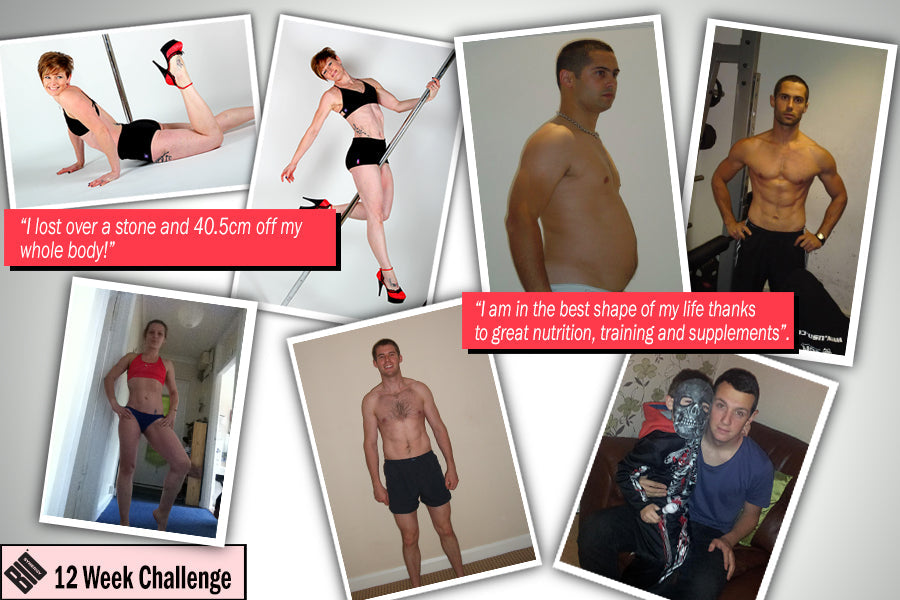
Imagine losing 5kg of fat while gaining 5kg of muscle.
The scales would show no change whatsoever.
Yet your waist would be smaller.
Your clothes would fit differently.
You’d look leaner.
Your strength would improve.
Your health markers would likely improve too.
This is why relying solely on body weight often leads people to believe they’re “not making progress” when, in reality, they’re completely transforming their bodies.
Instead, measure success through:
· Progress photos
· Waist measurements
· Strength improvements
· Energy levels
· Clothing fit
· Body fat percentage (where possible)
Train to build muscle, not just burn calories
Hours of endless cardio may help create a calorie deficit, but resistance training is what changes your body.
Aim for three to five resistance training sessions each week, focusing on compound exercises that recruit the largest muscle groups.
Prioritise movements such as:
· Squats
· Deadlifts
· Lunges
· Rows
· Presses
· Pull-ups or assisted pull-ups
Progressively increase either the weight, repetitions or training volume over time.
Your body only changes when it’s challenged.
Don’t neglect cardio
Cardiovascular exercise still plays an important role.
Aim for around 150 minutes of moderate activity each week, such as brisk walking, cycling or swimming, alongside one or two higher-intensity sessions if appropriate.
Think of cardio as supporting heart health and calorie expenditure, while strength training shapes your physique.
The combination delivers the best long-term results.
Eat to fuel performance, not starvation
One of the biggest mistakes people make is dramatically cutting calories.
Severe dieting almost always results in losing muscle alongside fat.
Instead:
Eat enough protein
Protein provides the building blocks required to repair and build muscle.
Research consistently suggests active adults benefit from around 1.2–2.0g of protein per kilogram of body weight each day, depending on training volume and goals.
Good sources include:
· Lean meat
· Fish
· Eggs
· Dairy
· Greek yoghurt
· Beans and lentils
· High-quality whey protein
Distribute protein across the day rather than eating it all in one meal.
Create a modest calorie deficit
If fat loss is your goal, aim for a moderate calorie deficit typically around 300–500 calories per day.
This encourages steady fat loss while providing enough energy to train effectively and recover properly.
Don’t fear carbohydrates
Carbohydrates fuel performance.
Eating quality carbohydrate sources around training sessions helps maintain intensity, supports recovery and replenishes muscle glycogen.
Choose foods such as:
· Oats
· Rice
· Potatoes
· Wholegrains
· Fruit
· Vegetables
Healthy fats remain equally important for hormone production and overall health.
Recovery builds the body
You don’t build muscle during training.
You build it while recovering.
Prioritise:
- 7–9 hours of quality sleep
- Hydration throughout the day
- Stress management
- Rest days between hard sessions
- Consistent nutrition
Without recovery, progress slows dramatically.
Supplements that genuinely support body recomposition
Supplements should complement not replace a good training programme and balanced diet.
The evidence consistently supports a handful of key ingredients.
Protein
Protein supplementation is simply a convenient way to help reach daily protein requirements, particularly after training or when life gets busy.
A high-quality whey protein provides all nine essential amino acids and naturally contains leucine, one of the key amino acids involved in stimulating muscle protein synthesis.
Creatine Monohydrate
Creatine is one of the most researched sports nutrition ingredients available.
A daily intake of 3–5g helps improve performance during repeated short bursts of high-intensity exercise, allowing greater training quality over time.
Emerging research also suggests potential benefits for healthy ageing, cognitive performance and preserving lean muscle.
Electrolytes
Proper hydration supports performance, concentration and recovery.
Replacing electrolytes lost through sweat can be particularly beneficial during longer training sessions or exercise in warm environments.
Vitamin D
Many people in the UK have low vitamin D levels, particularly during autumn and winter.
Vitamin D contributes to the maintenance of normal muscle function, immune function and normal bones.
Magnesium
Magnesium contributes to normal muscle function, electrolyte balance, energy-yielding metabolism and the reduction of tiredness and fatigue, making it a valuable addition for many active individuals.
The Bio-Synergy approach
At Bio-Synergy we’ve always believed success should be measured by how you feel and how you perform—not simply by what the scales say.
That’s why our approach combines
- Science-backed nutrition
- Effective training
- High-quality supplementation
- Recovery
- Long-term lifestyle habits
Whether you’re taking your first steps towards better health or chasing your next personal best, body recomposition offers a smarter, more sustainable goal than simply losing weight.
Become stronger.
Move better.
Recover faster.
Feel more confident.
Because the best transformation isn’t measured in kilograms.
It’s measured in the life you gain along the way.
#MakeItHappen
Recommended Bio-Synergy Stack
Foundation
· Whey Better® – high-quality whey protein to support muscle maintenance and growth.
· Performance Creatine or Creatine Boost® – 3–5g creatine monohydrate daily.
· Electro-Lite® – support hydration before, during or after training.
· Magnesium Plus – muscle function, energy metabolism and recovery.
For Women
· Active Woman Activate® – protein with key micronutrients.
· Active Woman Energise® – creatine plus marine collagen.
· Active Woman Revitalise® – electrolyte support with vitamins.
Want to go even further?
Our DNA & Epigenetics platform helps personalise nutrition, training and recovery based on your genetics, while tracking how your biological age changes over time—because real progress is about far more than what the scales say.
