Your World Cup Survival Guide: 8 Exercises to Beat Sitting and Boost Energy
By Daniel Herman
Your World Cup Survival Guide: 8 Exercises to Beat Sitting and Boost Energy
By Josh Thursby CEO Create PT and bio-synergy.uk ambassador
1. Walking
Why it's great:
Walking is one of the easiest and most effective ways to counteract long periods of sitting. It improves circulation, burns calories, and boosts mood and concentration.
How to do it:
Aim for a 10–15 minute walk during lunch or take short five-minute walks every hour.
Benefits:
* Improves heart health
* Reduces stiffness
* Increases energy and productivity
2. Glute Bridges
Why it's great:
Sitting for long periods weakens the glutes, which can contribute to lower back pain and poor posture.
How to do it:
Lie on your back with knees bent and feet flat on the floor. Lift your hips until your body forms a straight line from shoulders to knees, then slowly lower.
Benefits:
* Strengthens glutes and hamstrings
* Supports the lower back
* Improves posture
3. Bodyweight Squats
Why it's great:
Squats activate the large muscles of the legs and improve mobility after sitting.
How to do it:
Stand with feet shoulder-width apart, bend your knees and hips as if sitting into a chair, then return to standing.
Benefits:
* Strengthens legs and glutes
* Improves balance
* Increases lower-body mobility
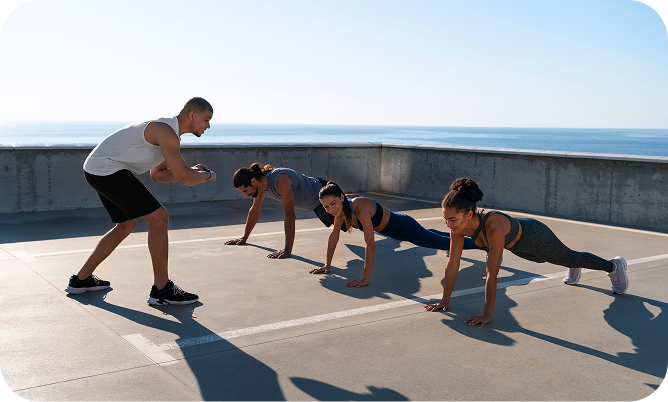
4. Plank
Why it's great:
A strong core helps support your spine and reduces strain caused by prolonged sitting.
How to do it:
Rest on your forearms and toes while keeping your body straight. Hold for 20–60 seconds.
Benefits:
* Builds core strength
* Improves stability
* Helps prevent back pain
5. Chest Stretch
Why it's great:
Hours at a computer often cause rounded shoulders and tight chest muscles.
How to do it:
Stand in a doorway with your arms on the frame and gently lean forward until you feel a stretch across your chest.
Benefits:
* Opens the chest
* Improves posture
* Relieves upper-body tension
6. Cat-Cow Stretch
Why it's great:
This gentle movement keeps the spine mobile and reduces stiffness.
How to do it:
Start on hands and knees. Alternate between arching your back (Cat) and dropping your belly while lifting your head (Cow).
Benefits:
* Increases spinal flexibility
* Reduces back tension
* Encourages healthy movement
7. Shoulder Rolls and Neck Stretches
Why it's great:
Desk work often creates tension in the neck and shoulders.
How to do it:
Roll your shoulders backwards 10 times, then gently tilt your head from side to side and hold each stretch for 15 seconds.
Benefits:
* Relieves muscle tension
* Improves range of motion
* Helps reduce headaches caused by poor posture
8. Hip Flexor Stretch
Why it's great:
Sitting shortens the hip flexors, which can contribute to tight hips and lower back discomfort.
How to do it:
Step into a lunge position and gently push your hips forward until you feel a stretch at the front of your back leg.
Benefits:
* Increases hip mobility
* Reduces lower back strain
* Improves posture and walking mechanics
Final Thoughts
You don't need an expensive gym membership or hours of free time to stay healthy while working at a desk. Incorporating these eight exercises into your daily routine can improve posture, reduce aches and pains, strengthen muscles, and boost both physical and mental wellbeing. Even five minutes of movement every hour can make a significant difference, proving that small changes can have a big impact on long-term health.