




GLP-1 medications have changed the conversation around weight loss. But the medication is only doing half the job. What you do nutritionally while you're on it, and what you do once you come off it, decides whether the results last.
Here's how to think about it in two phases, and where a DNA & Epigenetics test fits into getting it right for your body specifically, not just a generic protocol.
Phase One: During Medication
GLP-1s suppress appetite pharmacologically. That's the whole mechanism. Which means two things become true at once: you don't need extra help suppressing your appetite, and you're now eating far less than your body is used to. That second part is where the real risk sits.
The muscle problem. Rapid weight loss on a calorie deficit this steep doesn't just burn fat. A meaningful chunk of what's lost is muscle, unless you actively protect it. Less muscle means a slower metabolism long after you've stopped the medication, which sets you up for exactly the rebound everyone's trying to avoid.
What helps:
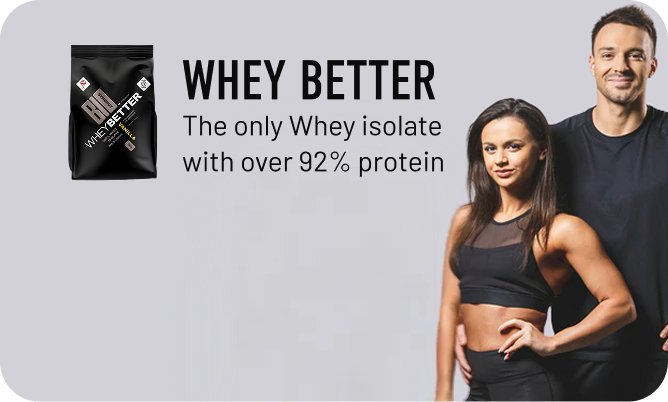
Whey Better or Lean & Green (vegan) — when you can only manage small amounts of food, protein density matters more than ever. Whey Better packs 27.2g protein per scoop with 0 carbs and 0 fat, so you're not wasting limited appetite on empty calories.
Beta Performance HMB — this is the one worth paying attention to. HMB has real evidence behind it specifically for preserving lean mass during calorie restriction. If you're only adding one thing to protect muscle, this is a strong candidate.
Creatine Monohydrate or Creatine Plus — supports strength and muscle retention alongside resistance training, which should be part of this phase regardless of the medication.
BCAA 2.1.1 Capsules and Glutamine — additional support for muscle protein synthesis and recovery when overall food intake is down.
The meal replacement gap. When appetite drops this much, hitting your protein and micronutrient targets from food alone gets genuinely difficult. Lean & Green MRP is built for exactly this: a nutritionally complete shake that does the job in one hit when you can't face a full meal.
The micronutrient gap. Eating less of everything means getting less of everything. Vitamin D3, Magnesium, Immune Boost, Omega 369 and Collagen and Multivitamin are the sensible insurance policy here, covering the basics your reduced food intake may no longer be providing.
The side effect nobody talks about enough. Nausea and reduced fluid intake are common on GLP-1s. Electro-Lite replaces what you're losing and helps you stay properly hydrated when drinking enough water on its own isn't happening.
Phase Two: After Medication
This is the phase people underestimate. Once the medication stops, the pharmacological appetite suppression goes with it. Rebound hunger is real, and if muscle wasn't protected properly in Phase One, metabolism is also working against you. This is where regain most commonly happens.
Keep the muscle work going. Everything from Phase One around protein, HMB and creatine still applies, arguably more so now. Protecting the muscle you have left matters just as much as managing appetite from here.
Now the appetite and metabolism support earns its place. With the drug's appetite suppression gone, this category becomes genuinely useful rather than redundant:
Bio-Synergy CLA 50 a solid non-stimulant option for anyone wanting continued fat metabolism support without caffeine dependency, particularly relevant if cardiometabolic health was part of why they were on the medication in the first place.
Thermogen is built around yerba mate, guarana and kola nut rather than synthetic caffeine. A gentler entry point for people cautious about stimulants post-medication.
Body Perfect or Green Tea & Green Coffee for those wanting more established appetite and metabolism support once they're ready for it.
One honest note: this transition is usually clinician-guided, and supplements support the habits and nutrition around it. They're not a replacement strategy for medical follow-up during discontinuation.
Where DNA & Epigenetics Testing Fits
Everything above is a sensible general protocol. But "sensible general protocol" and "right for your specific biology" aren't always the same thing, and this is exactly the gap our DNA & Epigenetics Testing Kit is built to close.
The DNA side gives you 300+ health reports built from 1,000 analysed genetic markers, and a meaningful chunk of that sits directly in weight management territory: how your body responds to carbohydrates, saturated and unsaturated fats, and protein; your genetic metabolic rate; how you're genetically predisposed to distribute fat; and your genetic obesity risk. Instead of guessing whether you're someone who does better prioritising protein over carb management, or whether your genetics point to a naturally faster or slower metabolic rate, you get an actual answer. That's the difference between following a generic GLP-1 support stack and following the one built for how your body actually processes food.
There's a genuinely useful detail in there for anyone worried about muscle loss too: the report includes markers for how much genuine benefit you're likely to get from creatine, BCAAs, and glutamine specifically, so you know in advance whether the muscle-preservation stack above is going to work hard for you or whether your genetics mean you'd see more from doubling down elsewhere.
The epigenetics side is a different, complementary layer. Rather than fixed genetic risk, it measures your true biological age, which reflects how your lifestyle, diet and habits have actually been affecting your body, and it's the one part of this whole picture that's designed to move. Test before starting your GLP-1 journey, and test again once you've stabilised post-medication, and you get a genuine before-and-after readout of whether the phase you've just been through has aged your body forward or turned the dial back. That's a far more meaningful marker of success than the number on the scale alone.
Put together, DNA tells you how to personalise the nutrition and supplement side of both phases. Epigenetics tells you whether it's actually working at a biological level, not just a visible one.
The Bottom Line
The medication handles appetite. Everything else, protecting muscle while you're on it, managing rebound once you're off it, and knowing which levers actually matter for your biology, is still down to you. That's where the right nutrition strategy, and genuinely knowing your own genetic and epigenetic starting point, makes the difference between short-term results and results that hold.
