Recovery tools can help at the margins, but they don’t replace the fundamentals.
The #1 Recovery Tool No One Wants to Talk About: Sleep
Across elite sport, one factor consistently predicts faster recovery, lower injury risk, and better performance:
Sleep more. Sleep better. Sleep consistently.
Athletes who average higher sleep duration:
Recover faster between sessions
Report lower muscle soreness
Maintain performance deeper into competition cycles
And no — you can’t “out-supplement” bad sleep.
If you train hard but sleep poorly, your body stays in a constant state of stress. Hormones suffer. Recovery stalls. Progress slows.
Start here before buying anything else.
Training Smarter Beats Training Harder
Another major mistake?
Doing too much, too often, without structure.
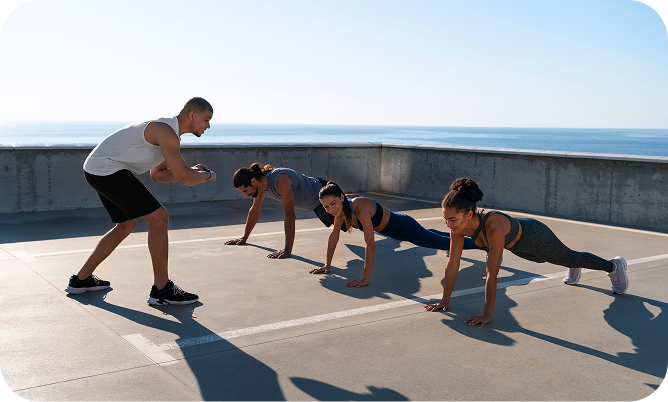
Elite athletes don’t just train hard — they train intelligently:
Hard days are followed by easier days
Stress is planned, not accidental
Volume and intensity are separated
For everyday gym-goers, this means:
Stop maxing out every session
Build rest days into your week
Accept that progress comes from adaptation, not exhaustion
You don’t need a complicated programme — you need a sustainable one.
Supplements: Helpful, But Not Magic
At Bio-Synergy, we believe in food first, but we also live in the real world.
Supplements can play a role when:
Nutrient needs are high (training, stress, age)
Convenience matters
Certain intakes are unrealistic through food alone
Examples:
Creatine – difficult to reach effective doses from food
Vitamin D – especially relevant in the UK
Omega-3s – many people don’t consume enough
But supplements support recovery — they don’t replace sleep, nutrition, or smart training.
If those aren’t in place, supplements are just expensive optimism.
Wearables: Use the Data, Don’t Let It Use You
Fitness trackers and wearables are powerful tools — when used correctly.
Their real value isn’t in daily obsession, but in long-term trends:
Resting heart rate over months
Sleep consistency across weeks
Changes during illness or high stress
The biggest mistake? Letting numbers override how you actually feel.
The best approach combines:
Objective data (wearables)
Subjective feedback (energy, mood, soreness)
Recovery is both science and self-awareness.
The Bio-Synergy Takeaway
If you want better results, stop chasing shortcuts and start mastering the basics:
✔ Train consistently ✔ Sleep enough ✔ Fuel properly ✔ Reduce unnecessary stress ✔ Use supplements strategically ✔ Let recovery be part of your lifestyle — not a gimmick
Elite performance isn’t built on hacks. It’s built on habits.
That’s the Bio-Synergy approach. Listen to the exclusive interview with Peter Tierney on the Make It Happen Mindset podcast https://open.spotify.com/episode/0qQG4tS5PlfBkGlXnZbEA0?si=frJpcTJgSLaLN2WMaeS3vg