



Protein for Weight Loss: How It Works and How Much You Need
Protein is the single most powerful dietary lever for weight loss. Not because of any magic ingredient or metabolic shortcut but because of clear, well-understood physiological mechanisms that have been consistently validated across hundreds of clinical studies. If you're serious about losing body fat while maintaining your muscle and your metabolism, protein is where your attention should be.
This guide explains exactly how protein supports fat loss, how much you actually need, the best food sources, and where a quality protein supplement fits into a rational approach to managing your body composition.
Why Protein Is the Most Important Macronutrient for Fat Loss
Of the three macronutrients protein, carbohydrates, and fat protein has the highest thermic effect of food (TEF). This means your body burns more calories digesting and processing protein than it does processing carbohydrates or fat. Specifically, 20–30% of the calories in protein are expended during digestion, compared to 5–10% for carbohydrates and 0–3% for fat.
This thermogenic effect is real but modest in absolute terms it's not going to transform your physique on its own. The more important mechanisms are protein's effects on satiety and muscle preservation.
Protein is significantly more satiating than carbohydrates or fat, calorie for calorie. It reduces levels of the hunger hormone ghrelin and increases satiety hormones including peptide YY and GLP-1. The practical result is that higher-protein diets consistently produce greater spontaneous reductions in calorie intake you eat less without counting every calorie.
A landmark study published in the American Journal of Clinical Nutrition found that increasing protein intake from 15% to 30% of total calories caused participants to spontaneously eat 441 fewer calories per day. That's without any explicit calorie restriction. Just the satiating effect of protein producing a meaningful calorie deficit on its own.
Protein and Muscle Preservation During Fat Loss
When you lose weight through caloric restriction, you inevitably lose some muscle as well as fat unless you take active steps to prevent it. Maintaining muscle during a calorie deficit requires two things: adequate protein intake and a resistance training stimulus.
The minimum protein intake recommended for muscle preservation during a calorie deficit is approximately 1.6 grams per kilogram of bodyweight per day. For individuals who are dieting aggressively or who are relatively lean, some research suggests even higher intakes — up to 2.0–2.4g/kg — may better preserve muscle tissue.
Why does muscle preservation matter for fat loss? Because muscle is metabolically active tissue. A kilogram of muscle burns roughly 3–5 times more calories at rest than a kilogram of fat. When you lose muscle during a diet as happens on low-protein, crash diets your resting metabolic rate drops, making further fat loss progressively harder and setting you up for weight regain.
High protein intake protects against this adaptive thermogenesis. Studies comparing high-protein versus standard-protein calorie-restricted diets consistently find that higher protein groups lose more fat and preserve more muscle — even when total calorie intake is equal.
The body composition equation: Fat loss is about creating a calorie deficit. Body composition change is about losing fat while preserving muscle. Protein is the critical variable that determines which side of this equation you're optimising for.
How Much Protein Do You Need for Fat Loss?
The research consensus for individuals engaged in regular exercise and seeking to optimise body composition is 1.6–2.2 grams of protein per kilogram of bodyweight per day. For a 70kg woman, that's 112–154 grams of protein daily. For a 90kg man, 144–198 grams.
This is considerably more than the standard UK government reference intake of 0.75g/kg, which represents the minimum to prevent deficiency not the optimal intake for body composition, athletic performance, or healthy ageing.
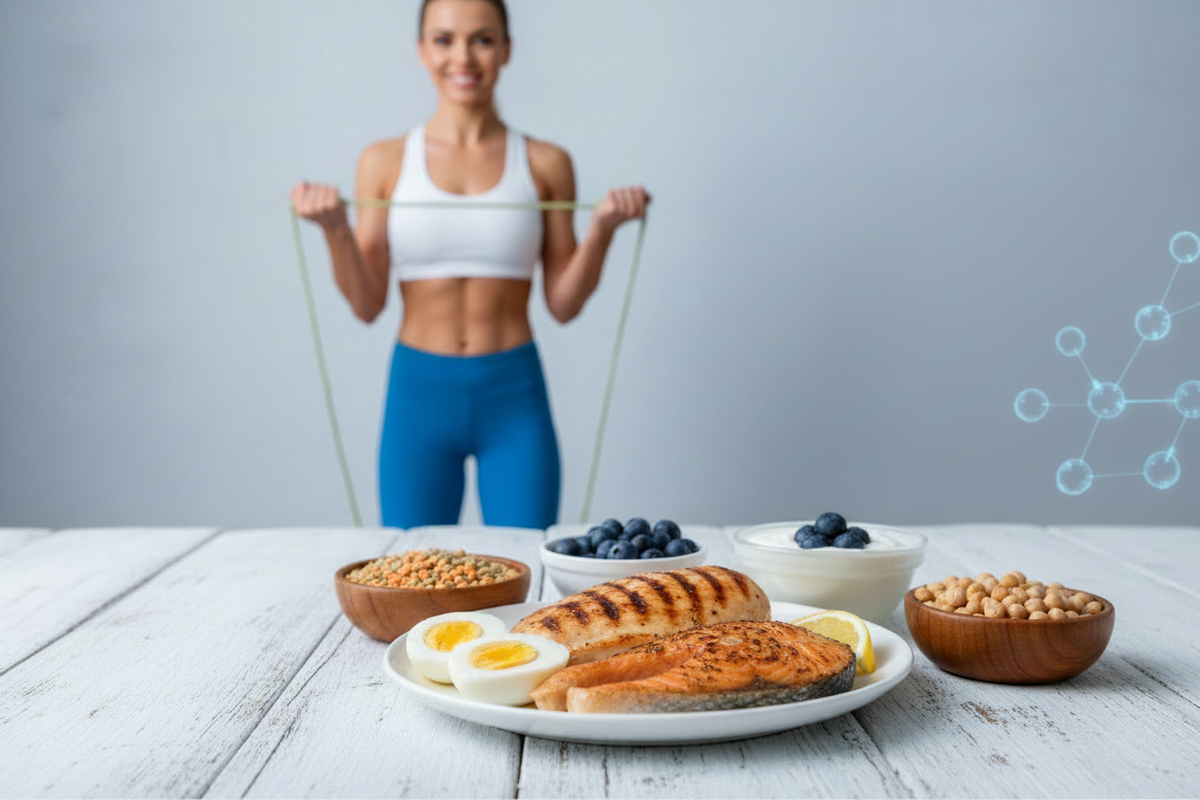
Meeting 1.6–2.2g/kg from whole food sources alone is achievable but requires conscious effort across every meal. A large chicken breast provides around 40–45g of protein. A tin of tuna around 25g. Three large eggs around 18g. Building meals around protein-rich whole foods first, then filling in with other macronutrients, is the most practical approach.
A quality protein supplement particularly post-workout, when muscle protein synthesis is elevated and whole food preparation may not be practical makes hitting these targets significantly easier without excess calories.
Best Protein Sources for Fat Loss
Whole food sources
Chicken breast, turkey, lean beef, white fish, salmon, tuna, eggs, Greek yoghurt, cottage cheese, legumes, tofu, and edamame are all excellent protein sources. Prioritise variety and focus on sources that provide protein with minimal additional saturated fat and calories.
Whey protein
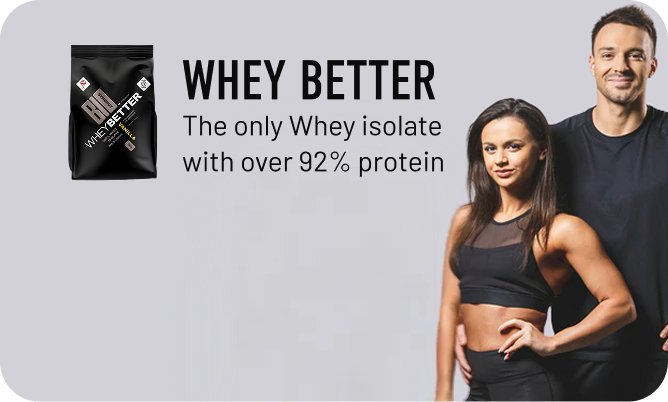
Whey is derived from milk and is the most rapidly absorbed complete protein available. Its amino acid profile — particularly high in leucine, the primary trigger for muscle protein synthesis — makes it ideal post-workout. Bio-Synergy's Whey Better provides a clean, high-quality whey option with no unnecessary fillers.
Whey isolate is the most processed form of whey, with most fat and lactose removed, resulting in higher protein per gram and better tolerance for those with lactose sensitivity.
Vegan protein options
Pea protein, rice protein, and blended plant proteins are effective alternatives for those avoiding dairy. Plant proteins are typically slightly lower in leucine than whey, which can be partially offset by consuming slightly larger doses or combining with leucine-rich foods. A well-formulated plant protein blend can provide complete amino acid coverage.
The Best Times to Eat Protein for Fat Loss
Distribution matters as much as total intake. Research suggests that spreading protein intake across 3–5 meals throughout the day optimises muscle protein synthesis compared to consuming most of your protein in one or two large servings. Each high-protein meal triggers a wave of muscle protein synthesis; spacing these across the day maximises cumulative anabolic stimulus.
Post-workout protein is particularly important. In the hours following resistance exercise, your muscles are primed for protein uptake and synthesis. Consuming 20–40g of high-quality protein within 1–2 hours of training takes advantage of this elevated responsiveness.
Protein at breakfast is associated with greater overall diet quality and reduced snacking throughout the day. A high-protein breakfast eggs, Greek yoghurt, a protein shake sets a satiety pattern that pays dividends across the rest of the day.
Protein before bed: research on pre-sleep protein consumption (typically casein, which is slow-digesting) shows benefits for overnight muscle protein synthesis and morning satiety. A small serving of cottage cheese, Greek yoghurt, or a casein-containing protein before sleep can support both muscle preservation and appetite control.
Common Protein and Fat Loss Myths
• Myth: Eating too much protein is bad for your kidneys. This is not supported by research in healthy individuals. Kidney concerns around protein apply to those with pre-existing kidney disease not healthy adults.
• Myth: Protein turns to fat if you eat too much. Excess protein is either oxidised for energy or, in extreme overconsumption, can contribute to fat storage — but protein is the macronutrient least likely to do this. The practical risk is negligible for most people.
• Myth: Plant protein is inferior for muscle building. A well-structured plant protein intake, at adequate total dose, can match whey protein for muscle protein synthesis outcomes. The differences are real but manageable.
• Myth: You need protein immediately after training or the window closes. The 'anabolic window' is real but much wider than commonly suggested hours, not minutes. Post-workout protein matters; emergency mid-session consumption does not.
Make It Happen
Bio-Synergy's Whey Better, Skinny Protein and Active Woman range deliver the high-quality protein you need to support fat loss, preserve muscle, and fuel your training. Informed Sport tested. Clean formula. No compromise.